

Series
Seeds: A Film Series
a three-part cinematic meditation
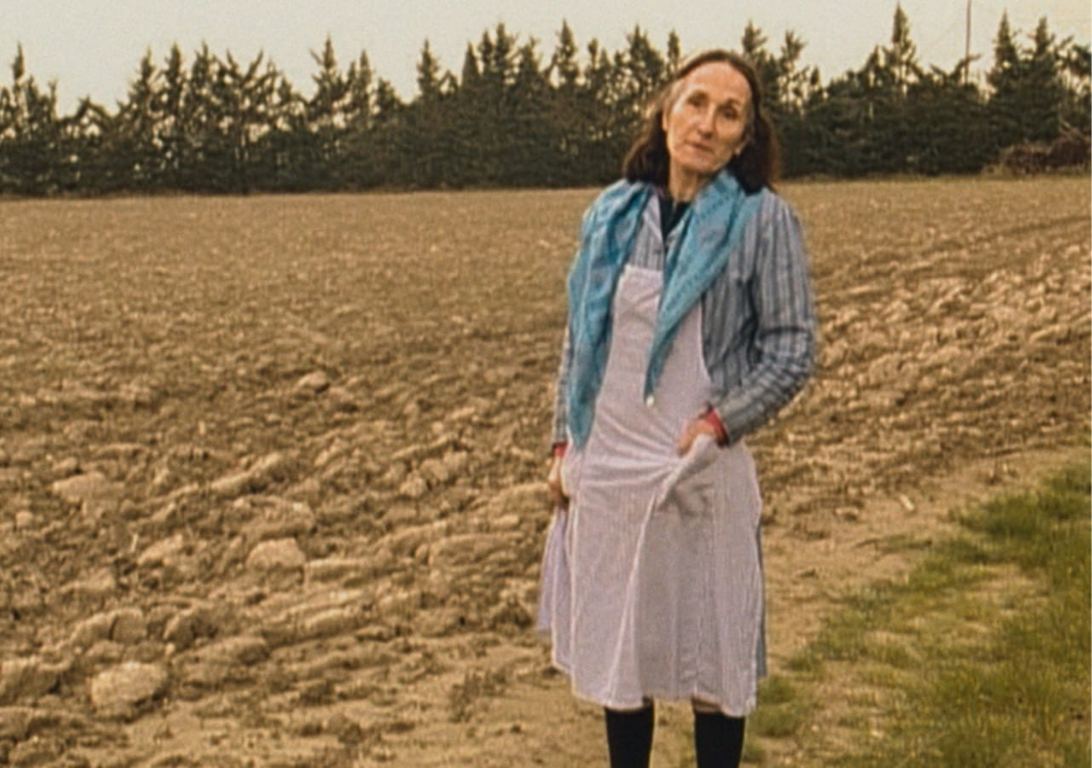
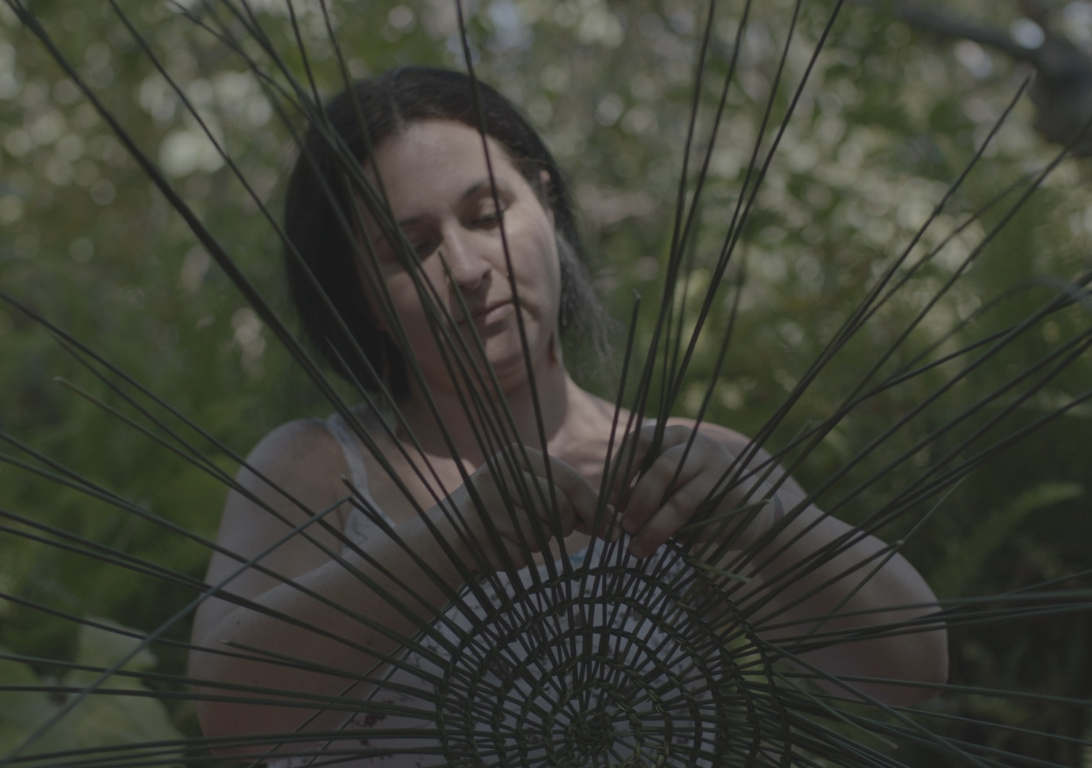
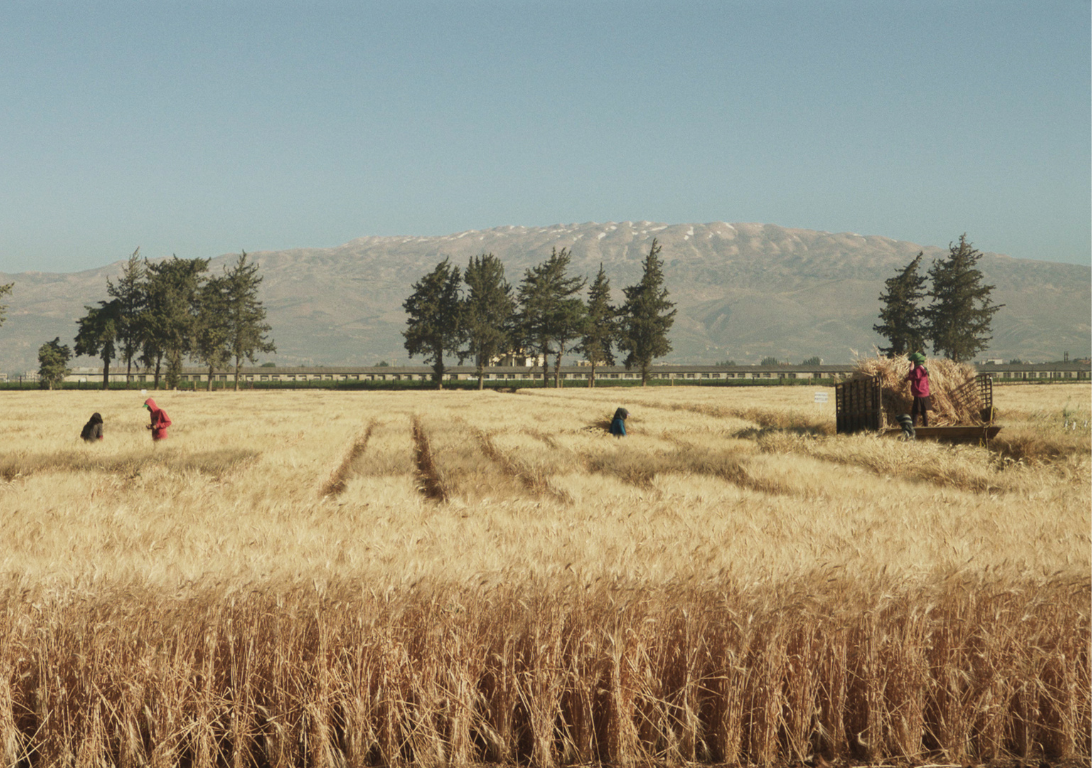
Active Cultures and Now Instant present Seeds, a three-part cinematic meditation on new beginnings, hidden power, and pivotal transformation.
Seeds are more than sources of nourishment. They hold ancestral memory: essential for preserving biodiversity, food sovereignty, and cultural heritage, resisting colonial displacement and destruction. These tiny vessels are also powerful symbols. Moving beyond the botanical, this artist-led film series delves into life’s eternal cycles, the strength of resilience, the wonder of germination, and the quiet wisdom found in dormancy.
The series begins with Jumana Manna’s Wild Relatives (2018), tracing the intricate journey of seed distribution from Lebanon’s Beqaa Valley to the global seed vault in Norway’s Svalbard archipelago. The program was followed by a discussion with Nina Raj, founder and steward of Altadena Seed Library, as we talked about seed banking, the importance of biodiversity, and the vital role our community plays in restoring local ecosystems.
The second Seeds film Tending the Wild (2016) shines light on the environmental knowledge of Indigenous peoples across California by exploring how they have actively shaped and tended the land for millennia, in the process developing a deep understanding of plant and animal life. This film was selected by Andrea Jimenez of Herb Club LA. The program will be followed by a discussion with Andrea and Joel Garcia, Director of Meztli Projects. Together, they discussed the film’s themes in relation to their work with people and plants in the local community, as well as reflected on the past ten years since the film was made.
The third and final film in this series was The Gleaners and I (2000) by Agnès Varda, which explores the little-known world of modern-day gleaners: those living on the margins who survive by foraging for that which society throws away. The film was followed by a conversation with artist Clarissa Tossin on seeds toward the end of their cycle, touching on food waste, and what industrial agriculture considers unfit for display.